

American Whiskey Trail to Destination Distillery: The Evolution of American Spirits
A Toast to the American Whiskey Trail
The idea for the American Whiskey Trail was born from a simple realization: America’s whiskey story deserved to be celebrated and shared.
In 2004, the nation’s leading distillers came together at George Washington’s Mount Vernon to officially launch the American Whiskey Trail, a first-of-its-kind effort to connect people to the places, craftsmanship and traditions behind American whiskey. At the launch, master distillers gathered for a symbolic toast, raising glasses of George Washington’s Rye Whiskey, recreated using his original recipe and technique. It was a powerful moment—the time’s most prominent distillers honoring one of America’s earliest.
That gathering marked a historical moment when America’s largest whiskey producers stood shoulder to shoulder, united by a shared belief: that whiskey is one of the country’s original crafts, and that its stories—old and new—were worth preserving and sharing.
Honoring the Craft
The American Whiskey Trail was created to invite consumers into that story. It linked iconic distilleries and historic sites, places where whiskey had been distilled for generations, into an educational and tourism-driven experience. The American Whiskey Trail highlighted the depth and diversity of American whiskey, from legacy distilleries that shaped the category to landmarks that anchored distilling communities.
At its core, the American Whiskey Trail was about craftsmanship: the people who make whiskey, the places it’s made and the traditions passed down over time. It helped turn distilleries into destinations and positioned whiskey not just as a product, but as a living American craft.
A Trail Expands as Distilling Grows
As the American Whiskey Trail gained momentum, something else was happening throughout the country. A new generation of distillers was emerging, opening small, independent operations in cities, towns and rural communities nationwide. Craft distilling was growing faster than anyone anticipated, adding new voices, styles and regional character to America’s spirit landscape. Over the nearly two decades since the launch of the American Whiskey Trail, there has been a proliferation of more than 2,100 craft distilleries in cities and towns across the country.
What the American Whiskey Trail had begun, connecting people to whiskey’s past, needed to expand to reflect the present.
From One Vision to a Nationwide Journey
Enter Destination Distillery.
Built on the vision of the American Whiskey Trail℠, Destination Distillery reflects the expanded distilling landscape of the United States today, where historic institutions and modern craft distilleries exist side by side. It brings the American Whiskey Trail’s original goal into the present: helping people discover distilleries, plan meaningful journeys and experience American spirits in a new way.
The American Whiskey Trail started the story. Destination Distillery continues it—one distillery, one destination and one experience at a time.
Historic sites on the American Whiskey Trail include:
Distilleries
George Washington Distillery, (Mount Vernon, VA)
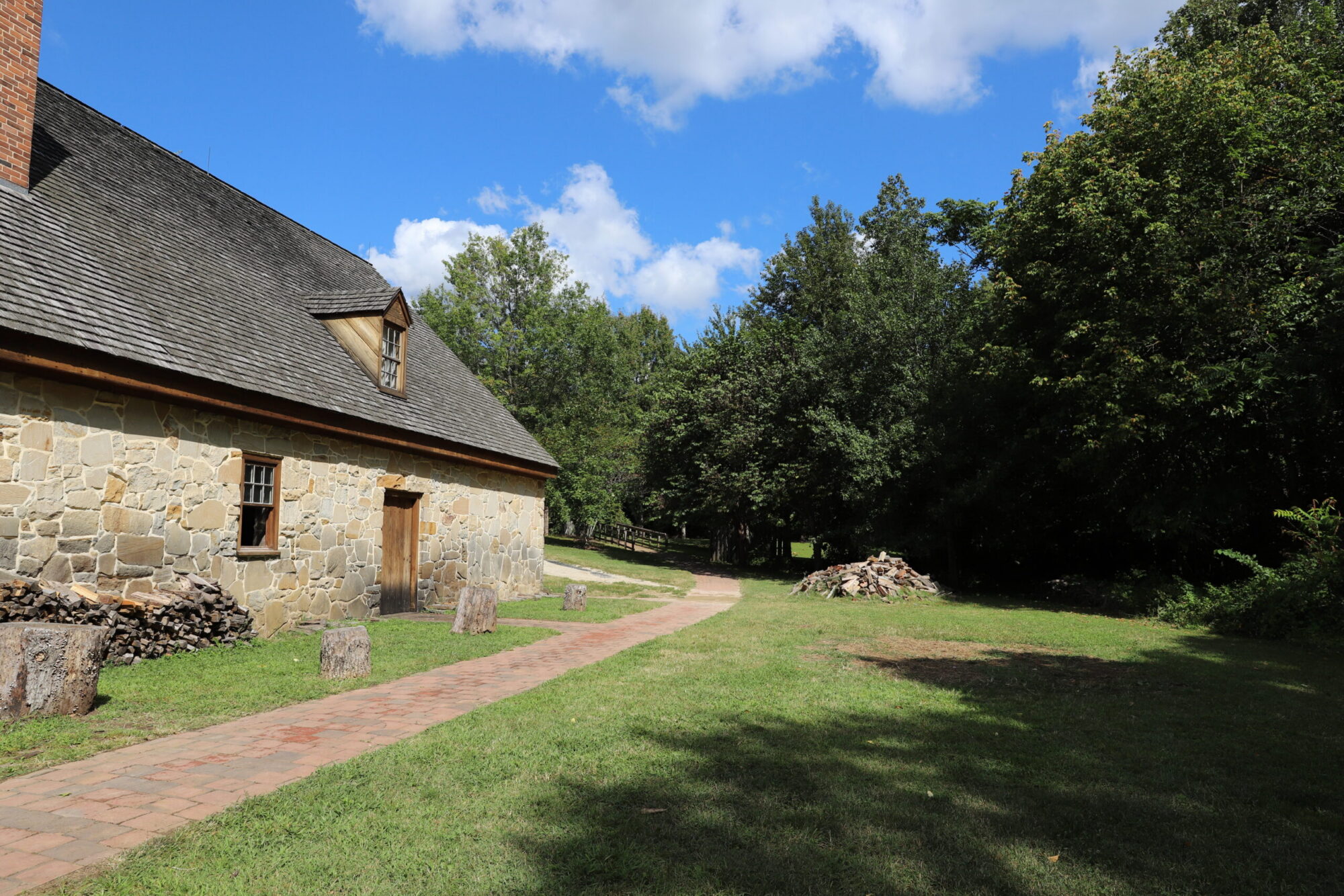
The distillery is currently an archaeology site but soon to be completely reconstructed. Upon completion, it will be the gateway to the American Whiskey Trails where you can begin an educational journey into the cultural heritage and history of spirits in America. www.mountvernon.org/learn/pres_arch/index.cfm
George Dickel Distillery (Tullahoma, TN)
Since 1870, George A. Dickel Tennessee Whiskey is still handcrafted with the same processes and attention-to-detail that George Dickel established to ensure that each drop is as remarkable now as it was when the first batch was made. www.georgedickel.com
Jack Daniel’s Distillery (Lynchburg, VA)
The oldest registered distillery in the United States, the making of Jack Daniel's whiskey was set down by its founder, Jack Daniel, and has been maintained and preserved for over 140 years. www.jackdaniels.com
Jim Beam Distillery (Clermont, KY)
Seven generations and more than two centuries later, Jim Beam bourbon is still made the same way, by the same family, following the same recipe perfected in 1795. The distillery campus is made up of the T. Jeremiah Beam home where one can savor the world renowned bourbons in the tasting parlor; the American Outpost where visitors can shop for one-of-a-kind merchandise; and The Hartmann Cooperage Museum, a recreation of an 1800’s barrel-making shop.
Maker’s Mark Distillery (Loretto, KY)
Established in 1805 as a gristmill distillery, Maker’s Mark is the oldest working distillery on its original site – and a National Historic Landmark. The historic charm is not the only reason to visit the Maker’s Mark distillery; the beautifully manicured grounds are a functioning arboretum; hosting more than 275 species of trees and shrubs, and makes for an ideal picnic spot.
Wild Turkey Distillery (Lawrenceburg, KY)
Once inside this real working distillery, watch as new Bourbon is poured into handcrafted barrels then tour the timbered warehouses, where thousands of barrels sit and age.
Woodford Reserve Distillery (Versailles, KY)
The historic distillery has been fully restored to its former 1800’s splendor and is a designated National Historic Landmark. A distillery highlight is Woodford Reserve’s old-fashioned pot stills, which are used in the time-honored production of Woodford Reserve.
Historic Sites
Fraunces Tavern Museum (New York, NY), best known as the site where George Washington gave his farewell address to the officers of the Continental Army in 1783, is now a restored complex made up of four 19th century buildings as well as the 18th century Fraunces Tavern Building. It was built in 1719 as an elegant residence for merchant Stephan Delancey and later purchased in 1762 by tavern-keeper Samuel Fraunces.
Gadsby’s Tavern (Alexandria, VA) was a center for political, business and social life in 18th century Alexandria, Virginia where prominent individuals such as George Washington, John Adams and Thomas Jefferson were entertained. Today Gadsby's Tavern Museum is open to the public, offering tours and public programs showcasing the historic two buildings, the circa 1785 tavern and the 1792 City Tavern and Hotel.
Woodville Plantation, the John and Presley Neville House (Bridgeville, PA), a National Historic Landmark, was deemed "a temple of hospitality" -- the home of a general, a former commandant of Fort Pitt, a man of wealth and education. As collector of the new and hated federal excise tax on whiskey, John Neville was a major target in the Whiskey Rebellion of 1794.
The Oliver Miller Homestead (Allegheny County’s South Park, PA) is a pioneer landmark and Whiskey Rebellion Site in Allegheny County’s South Park Pennsylvania. This old stone farmhouse nestled among the trees, is a sturdy remnant of frontier days.
The Oscar Goetz Museum of Whiskey History (Bardstown, KY) houses a 50-year collection of rare whiskey artifacts dating from pre-colonial days to post-Prohibition days. Among them are rare antique bottles, a moonshine still, advertising art, novelty whiskey containers, and Abraham Lincoln's liquor license.
West Overton Museum (Scottdale, PA) is the only pre-Civil War village still intact today in Pennsylvania. It was named to the National Register of Historic Districts in 1985 as an outstanding example of a 19th century rural industrial village complete with farm, two floors of the Overholt Mill/Distillery, industrial tools, Blacksmith Shop, a wash house and a smokehouse.